
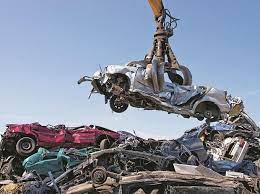
Environmental Benefits of Scrapping Old Cars: A Sustainable Approach
Scrapping a car can be a daunting task, but it is often necessary when the vehicle has reached the end of its life or is no longer roadworthy. Whether you have an old car sitting in your garage that you want to get rid of or you are considering scrapping your current vehicle for various reasons, understanding the process and benefits of scrapping a car can help make the decision easier.
When it comes to scrapping a car, there are several factors to consider. From environmental concerns to financial incentives, knowing what options are available and how to navigate through the process can save you time, money, and stress. In this article, we will explore and read further about the ins and outs of scrapping a car, including why it may be beneficial for both you and the environment, as well as provide some useful tips on how to go about it effectively.
Reduced Greenhouse Gas Emissions:
Older cars tend to have higher emissions due to outdated technology and inefficient fuel consumption. Scrapping these vehicles removes them from the road, decreasing overall greenhouse gas emissions. The replacement of old cars with newer, more fuel-efficient models contributes to improved air quality and reduced carbon footprints.
Energy Efficiency in Manufacturing:
Scrapping old cars supports the recycling loop by providing materials for the manufacturing of new vehicles. Reusing metals and other components from scrapped cars reduces the demand for raw materials, saving energy and decreasing the environmental impact of mining and manufacturing processes.
Scrapping a Car: Good for the Environment?
When it comes to disposing of old vehicles, scrapping them can be a beneficial option for both the owner and the environment. By choosing to scrap a car, you are ensuring that its parts and materials are properly recycled and reused, reducing the need for new production. This helps in conserving natural resources and minimizing the environmental impact associated with manufacturing new vehicles.
Additionally, scrapping a car can also contribute to reducing air pollution. Older vehicles tend to emit higher levels of harmful pollutants compared to newer models that comply with stricter emission standards. By taking these older cars off the road and recycling their components, we can significantly decrease the amount of pollution released into the atmosphere.
In conclusion, scrapping a car is not only beneficial for the environment but also for the owner. By recycling and reusing the parts and materials of an old vehicle, we can conserve natural resources and reduce the environmental impact of manufacturing new cars. Additionally, scrapping older vehicles helps to decrease air pollution by taking them off the road and replacing them with newer models that comply with stricter emission standards. If you have an old car that is no longer roadworthy or simply taking up space in your garage, consider scrapping it to contribute to a cleaner and more sustainable future.
