
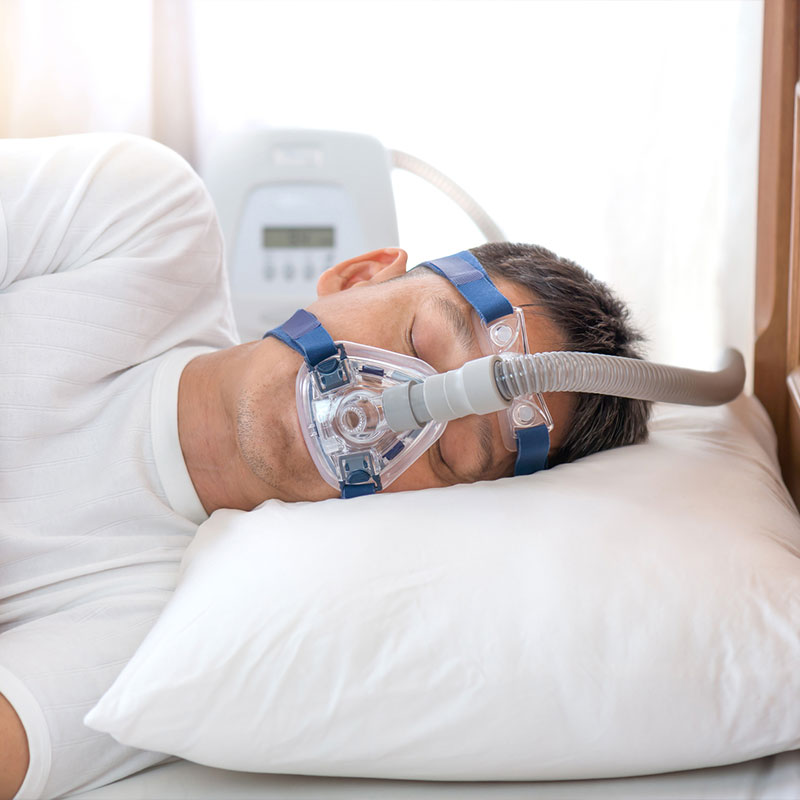
Sleep Apnea Test Guide: Tips For A Better Night’S Sleep
Many people are unaware that they may be suffering from sleep apnea, a common sleep disorder characterized by pauses in breathing or shallow breaths during sleep. If left untreated, sleep apnea can lead to serious health complications, including high blood pressure, heart disease, and stroke. Therefore, diagnosing and treating sleep apnea is crucial for overall health and well-being.
One of the key steps in diagnosing sleep apnea is undergoing a sleep apnea test, also known as a sleep study. This test helps healthcare providers determine the severity of an individual’s sleep apnea and develop an appropriate treatment plan. In this article, we will explore the different types of sleep apnea tests available, how they are conducted, and what individuals can expect during the testing process.
The Different Types of Sleep Apnea Tests
There are several types of sleep apnea tests available to diagnose this common sleep disorder. One common test is the in-lab polysomnography, where individuals are monitored overnight in a sleep center to record their breathing patterns, heart rate, and other vital signs during sleep. Another type of test is the home sleep apnea test, which allows individuals to complete the test in the comfort of their own home. This test usually involves wearing a small device that monitors breathing patterns and oxygen levels while sleeping. To find a reputable clinic that offers sleep apnea tests, individuals can visit sleep apnea test near me for more information.
What to Expect During a Sleep Apnea Test
During a sleep apnea test, individuals can expect to be hooked up to various sensors that monitor their breathing, heart rate, and oxygen levels while they sleep. These sensors are painless and non-invasive, allowing individuals to sleep comfortably throughout the night. Once the test is complete, healthcare providers will review the data collected to determine if an individual has sleep apnea and how severe it may be. From there, they can develop a personalized treatment plan to help manage the condition and improve overall sleep quality.
Overall, undergoing a sleep apnea test is a crucial step in accurately diagnosing and treating this common sleep disorder. By monitoring breathing patterns and other vital signs during sleep, healthcare providers can determine the severity of an individual’s sleep apnea and develop a personalized treatment plan. With various types of tests available, individuals can choose the most convenient option for them, whether it be an in-lab polysomnography or a home sleep apnea test. By taking proactive steps to address sleep apnea, individuals can improve their overall health and well-being, while also reducing the risk of serious health complications associated with untreated sleep apnea.
