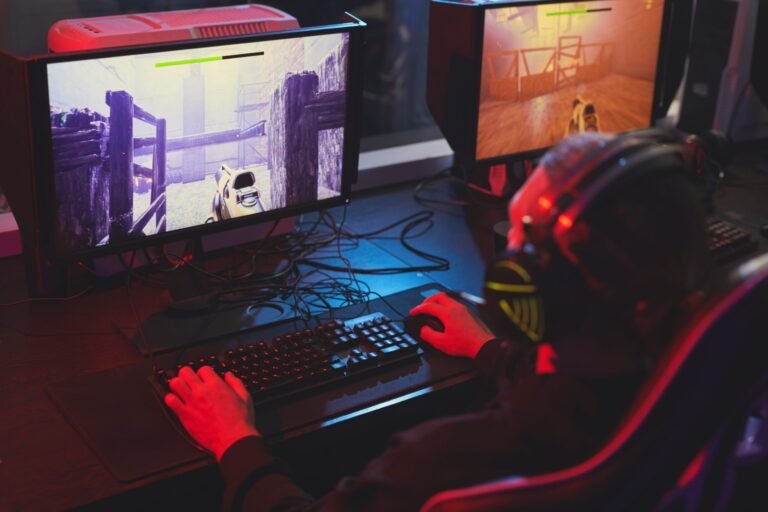
Online Gaming for Kids: Ensuring a Safe and Positive Gaming Experience

Online gaming offers children a platform for entertainment, social interaction, and skill development. However, it’s essential to prioritize their safety and well-being in the digital landscape. This article explores the importance of creating a safe and positive gaming experience for kids, highlighting key considerations and providing guidance for parents and guardians. The singapore live dealer gaming has gained tremendous popularity among online gaming enthusiasts, offering an immersive and authentic casino experience.

Setting Age-Appropriate Boundaries

Age Ratings and Content

Parents should pay attention to age ratings assigned to games. These ratings provide guidance on the suitability of the content for specific age groups. Ensure that the games your child plays align with their age, maturity level, and individual sensitivities. Age-appropriate boundaries help protect children from exposure to inappropriate content.

Parental Controls and Restrictions

Most gaming platforms and devices offer parental control features. Utilize these tools to set restrictions on game content, screen time, and online interactions. Parental controls help create a safe environment for kids, allowing parents to manage and monitor their gaming activities effectively.

5 Websites to Play Online Games During Work Breaks

Educating Kids about Online Safety

Teaching Responsible Online Behavior

Empower children with the knowledge and skills necessary to navigate online gaming safely. Educate them about the importance of protecting personal information, avoiding interactions with strangers, and reporting any inappropriate behavior. Teach them to be critical consumers of online content and to treat others with respect and kindness.

Online Privacy and Security

Discuss the significance of online privacy and security with your child. Teach them about the importance of strong passwords, the risks of sharing personal information online, and the potential consequences of engaging with unknown individuals. Encourage them to report any suspicious or concerning activities encountered during their gaming experience.

Encouraging Healthy Gaming Habits

Balanced Screen Time

Promote a healthy balance between gaming and other activities. Encourage children to engage in physical exercise, outdoor play, reading, and social interactions offline. Setting limits on screen time ensures that gaming remains a part of a well-rounded lifestyle rather than dominating all their activities.

Monitoring Playtime and Breaks

Regularly monitor your child’s gaming sessions and ensure they take frequent breaks. Prolonged gaming sessions can negatively impact physical and mental well-being. Encourage activities that promote relaxation and rest, such as stretching exercises, engaging in hobbies, or pursuing other interests beyond gaming.

Fostering Positive Online Interactions

Promoting Respectful Communication

Teach children the importance of respectful and positive communication while gaming online. Encourage them to be mindful of their language, treat others with kindness, and avoid engaging in toxic behavior or cyberbullying. Instill values of empathy and good sportsmanship, fostering an environment of inclusivity and cooperation.

Encouraging Parental Involvement

Stay actively involved in your child’s gaming experience. Play games together, show interest in their favorite titles, and engage in discussions about their gaming activities. This involvement not only strengthens your bond but also provides opportunities to monitor their interactions, address concerns, and guide them towards making responsible choices.

Choosing Age-Appropriate Games and Platforms

Researching Games and Platforms

Before allowing your child to play a specific game or use a gaming platform, conduct thorough research. Read reviews, explore the game’s content and features, and assess its suitability for your child’s age and preferences. Consider platforms that offer additional safety features and a well-moderated community.

Recommendations from Trusted Sources

Seek recommendations from trusted sources, such as other parents, gaming communities, or reputable websites focusing on child safety and gaming. These recommendations can help you identify games and platforms that prioritize safety, promote educational content, and offer a positive gaming experience for children.

Conclusion

Online gaming can be a rewarding and enjoyable experience for children when approached with caution and care. By setting age-appropriate boundaries, educating children about online safety, encouraging healthy gaming habits, fostering positive interactions, and making informed choices about games and platforms, parents can ensure a safe and positive gaming environment. With proper guidance and supervision, children can explore the digital gaming landscape while developing essential skills, socializing with peers, and having fun in a responsible and secure manner.


The Power of Sound: How Audio Enhances the Online Gaming Experience

When it comes to online gaming, visuals often take center stage, but the role of sound should not be underestimated. Audio plays a vital role in enhancing the gaming experience, immersing players in a rich and dynamic virtual world. Explore the world of sports betting and place your bets through betso88 login. In this article, we will explore the power of sound in online gaming and how it contributes to a more engaging and immersive gameplay experience.

The Role of Sound in Online Gaming

Creating Atmosphere and Setting the Scene

Sound design in online gaming is responsible for creating a realistic and immersive atmosphere. From the ambient sounds of a bustling city to the eerie silence of a haunted mansion, audio cues help set the scene and evoke emotions in players. The careful placement of sound effects, background music, and environmental sounds adds depth and authenticity to the virtual world, making it more believable and captivating.

Imagine exploring a post-apocalyptic wasteland without the haunting melodies and distant echoes of desolation. The absence of sound would leave the experience feeling empty and disconnected. On the other hand, well-designed audio can transport players to different environments and bring them closer to the action, enhancing their overall immersion in the game.

What Every Gamer Room Needs [Real Gamers' Advice] | Wallsauce EU

Providing Important Gameplay Information

Sound is not only about creating ambiance but also serves as a vital source of information in online gaming. Audio cues can provide players with essential gameplay information, such as footsteps indicating an approaching enemy, the sound of a revving engine in a racing game, or the subtle hum of a hidden treasure nearby. These audio cues act as signals, helping players make strategic decisions, react quickly, and stay one step ahead in the game.

By relying on sound, players can gain a deeper understanding of the virtual world and anticipate in-game events. The audio feedback becomes a valuable tool in their arsenal, allowing them to navigate the game with precision and efficiency.

Enhancing Immersion and Emotional Impact

Sound has a remarkable ability to enhance immersion and evoke emotions in players. The use of high-quality sound effects, realistic spatial audio, and immersive music can transport players into the heart of the game world, making them feel like an integral part of the action.

Imagine playing a horror game without the chilling whispers, creaking floorboards, or sudden bursts of intense music. The absence of these audio elements would significantly diminish the tension and fear that makes the horror genre so gripping. Sound has the power to make players feel uneasy, excited, thrilled, or even emotionally moved, heightening the overall gaming experience and leaving a lasting impression.

The Advancements in Gaming Audio Technology

Surround Sound and Spatial Audio

Technological advancements have brought forth remarkable improvements in gaming audio. Surround sound and spatial audio technologies have revolutionized how players perceive sound in games. With the use of multi-channel speaker setups or headphones, players can experience audio coming from all directions, enhancing their sense of realism and immersion.

Spatial audio takes this immersion to the next level by simulating the way sound behaves in the real world. By accurately reproducing the direction, distance, and reflections of sound, spatial audio technology enables players to perceive audio cues with a heightened sense of depth and precision. This not only enhances the immersion but also provides a competitive advantage by allowing players to pinpoint the source of in-game sounds more accurately.

Personalized Audio Experiences

Another exciting advancement in gaming audio is the rise of personalized audio experiences. With the advent of technologies like dynamic audio mixing and adaptive sound systems, games can now tailor the audio to each player’s preferences and in-game situations.

Dynamic audio mixing allows players to customize the balance between various sound elements, such as dialogue, music, and effects, based on their personal preferences. Adaptive sound systems, on the other hand, adjust the audio dynamically in response to the player’s actions or the changing game environment. For example, the audio might become more intense during a high-stakes battle or softer during a peaceful exploration sequence.

These personalized audio experiences cater to individual preferences, making the gameplay experience more enjoyable and tailored to each player’s unique preferences.

The Future of Gaming Audio

As technology continues to advance, the future of gaming audio looks incredibly promising. Here are a few trends and developments that we can expect to see:

Virtual Surround Sound

Virtual surround sound technologies aim to replicate the immersive experience of traditional surround sound without the need for multiple speakers. By leveraging advanced algorithms and virtualization techniques, these technologies create a convincing surround sound experience using just a pair of headphones. This innovation allows players to enjoy spatial audio and directional cues without the need for a dedicated surround sound speaker setup.

Haptic Feedback and Audio Integration

Haptic feedback, which provides tactile sensations through vibrations or force feedback, is another area of development in gaming audio. Integrating haptic feedback with audio can create a more multisensory experience, further enhancing immersion. For example, players may feel the impact of an explosion through vibrations or experience the sensation of rainfall through subtle vibrations and accompanying sound effects.

Real-Time Dynamic Soundscapes

Real-time dynamic soundscapes have the potential to revolutionize audio in open-world games. Rather than relying on pre-recorded soundtracks or effects, these soundscapes generate audio in real-time based on the player’s actions, the environment, and other factors. This dynamic approach allows for more immersive and responsive audio experiences, making the virtual world feel more alive and dynamic.

Conclusion

Sound plays a crucial role in the online gaming experience, enriching the virtual worlds and engaging players on a deeper level. From creating immersive atmospheres to providing essential gameplay information, audio enhances the overall enjoyment and immersion in games.

As technology continues to advance, gaming audio is poised to evolve further, providing even more realistic and personalized experiences. With innovations like virtual surround sound, haptic feedback integration, and real-time dynamic soundscapes, the future of gaming audio holds incredible potential.


Unveiling the Secrets of Online Gaming Success: Insider Tips and Tricks

Achieving success in online gaming requires more than just skill and determination. It also involves understanding the strategies, techniques, and insider tips that can give you an edge over your opponents. The milyon88.com provides a seamless and user-friendly interface for a captivating online gaming experience. In this article, we will unveil the secrets of online gaming success and provide you with valuable tips and tricks to enhance your gameplay and improve your chances of victory.

1. Master Your Game

To succeed in online gaming, it’s essential to thoroughly understand the game you’re playing. Take the time to learn the mechanics, study the maps, and familiarize yourself with the abilities, strengths, and weaknesses of your character or loadout. By mastering the intricacies of the game, you can make informed decisions and employ effective strategies.

2. Practice Regularly

Consistent practice is the key to improving your gaming skills. Dedicate regular time to play and hone your abilities. Set aside specific practice sessions to work on areas that need improvement, such as aiming, movement, or decision-making. The more you practice, the more comfortable and proficient you become, increasing your chances of success in competitive matches.

Firsthand

3. Study Successful Players

One of the best ways to improve your gaming skills is to study successful players. Watch live streams, replays, or video tutorials of top players in your game of choice. Pay attention to their strategies, positioning, movement, and decision-making. Analyze their gameplay and incorporate their techniques into your own playstyle. Learning from experienced players can significantly accelerate your progress.

4. Communicate and Coordinate

Communication is crucial in team-based games. Utilize in-game voice chat or external communication platforms to effectively communicate and coordinate with your teammates. Clear and concise communication can lead to better teamwork, strategic execution, and increased chances of victory. Coordinate objectives, share information, and adapt your strategies based on your team’s feedback.

5. Analyze and Learn from Mistakes

Mistakes are learning opportunities. Take the time to analyze your gameplay and identify areas where you could have made better decisions or executed strategies more effectively. Learn from your mistakes and make adjustments in future matches. Recording and reviewing your gameplay footage can provide valuable insights into your strengths and weaknesses, helping you refine your skills.

6. Stay Calm and Focused

Maintaining composure and focus during intense gaming sessions is crucial. Avoid getting frustrated or letting negative emotions affect your gameplay. Stay calm and collected, as this allows you to make better decisions and react more effectively to in-game situations. Practice mindfulness techniques, take deep breaths, and take short breaks when needed to maintain mental clarity.

7. Stay Updated on Patches and Updates

Online games often receive patches, updates, and balance changes. Stay informed about these updates and their impact on gameplay. Developers often introduce new features, balance adjustments, and bug fixes that can significantly impact strategies and meta gameplay. By staying updated, you can adapt your playstyle and stay ahead of the competition.

8. Customize Your Settings

Optimize your gaming experience by customizing your game settings to suit your preferences. Adjust mouse sensitivity, keybindings, and graphical settings to enhance your comfort and maximize performance. Experiment with different configurations to find what works best for you. A personalized setup can significantly improve your overall gaming experience and performance.

9. Play with a Positive Mindset

A positive mindset can have a profound impact on your gaming performance. Approach each match with optimism and a growth mindset. Embrace challenges as opportunities for growth and improvement. Avoid dwelling on losses or setbacks, but rather focus on learning from them. A positive mindset allows you to stay motivated, resilient, and open to new strategies and techniques.

10. Have Fun and Enjoy the Journey

While success is important, it’s crucial to remember that online gaming is ultimately about having fun. Enjoy the journey, appreciate the experiences, and celebrate small victories along the way. Connect with the gaming community, make friends, and share memorable moments. Embrace the social aspect of online gaming and create lasting memories that go beyond the pursuit of victory.

Conclusion

Unveiling the secrets of online gaming success requires a combination of skill, knowledge, and strategic thinking. By mastering your game, practicing regularly, studying successful players, communicating effectively, analyzing mistakes, staying calm and focused, staying updated, customizing settings, maintaining a positive mindset, and enjoying the journey, you can enhance your gaming experience and increase your chances of achieving success.

Remember, online gaming is a dynamic and ever-evolving world. Embrace the learning process, adapt to new strategies and updates, and continuously strive for improvement. With dedication, perseverance, and a willingness to learn, you’ll be well on your way to unlocking the secrets of online gaming success.


The Ultimate Guide to Dominating Online Gaming: Tips and Tricks Revealed

Online gaming can be an exhilarating experience filled with challenges, victories, and intense competition. Whether you’re a novice player looking to improve your skills or an experienced gamer aiming to dominate the virtual arena, this ultimate guide is here to provide you with tips and tricks that will elevate your gameplay to new heights. The hawkplay login ensures the protection of player data and offers robust security features to safeguard personal information. Get ready to unleash your full gaming potential and establish yourself as a force to be reckoned with.

Master the Basics

To dominate online gaming, it’s crucial to have a solid foundation of the basics. Take the time to learn the controls, mechanics, and nuances of the game you’re playing. Understand the strengths and weaknesses of different characters, weapons, or strategies at your disposal. Familiarize yourself with game maps, objectives, and game modes. By mastering the fundamentals, you’ll have a strong starting point for your journey towards dominance.

Develop Map Awareness

Map awareness is a key element in online gaming. Understanding the layout of the game’s maps, including important locations, chokepoints, and high-traffic areas, can give you a significant advantage over your opponents. Pay attention to the mini-map or in-game indicators that reveal the positions of your teammates and enemies. This information allows you to make informed decisions, plan your movements, and anticipate enemy encounters, giving you the upper hand in battles.

Online Gaming - Bullyid Indonesia

Practice Effective Communication

Communication is vital in team-based games. Whether you’re playing with friends or teaming up with random players, effective communication can make a world of difference. Utilize in-game voice chat, text chat, or pings to relay information, coordinate strategies, and provide updates to your teammates. Clear and concise communication enhances teamwork, improves coordination, and ensures that everyone is on the same page. Be proactive in sharing important information and listening to your teammates’ callouts.

Learn from the Pros

Take advantage of the wealth of knowledge and expertise shared by professional gamers and content creators. Watch streams, tutorials, or analysis videos of skilled players in your chosen game. Observe their techniques, decision-making process, and strategies. Analyze their positioning, movement, and resource management. By learning from the pros, you can gain valuable insights, discover new tactics, and refine your own gameplay to match the level of top players.

Experiment with Different Playstyles

Online gaming offers a variety of playstyles that cater to different strengths and preferences. Experiment with different approaches to find the playstyle that suits you best. Are you an aggressive player who excels in close-quarters combat? Or do you prefer a more cautious and strategic playstyle? Explore different roles, loadouts, or character builds to discover what works for you. Adapting your playstyle to different situations and opponents can give you a competitive edge.

Focus on Improving One Aspect at a Time

Rather than trying to master every aspect of the game at once, focus on improving one aspect at a time. Whether it’s aim, movement, decision-making, or game-specific mechanics, dedicate focused practice sessions to enhance specific skills. Breaking down your improvement journey into smaller, manageable goals allows you to track progress and see tangible results. As you improve in one area, move on to the next, continuously refining your skills and expanding your capabilities.

Analyze Your Gameplay

Self-analysis is a powerful tool for improvement. Record and review your gameplay sessions to identify areas for growth and potential weaknesses. Look for patterns in your decision-making, identify recurring mistakes, and pinpoint areas where you can make adjustments. Be honest with yourself and embrace constructive criticism. Additionally, seek feedback from experienced players or coaches who can provide valuable insights and guidance. Analyzing your gameplay and seeking feedback allows you to make targeted improvements and refine your strategies.

Develop a Strategic Mindset

Online gaming often requires strategic thinking and planning. Develop a strategic mindset by analyzing the game’s objectives, understanding the strengths and weaknesses of your opponents, and devising plans to gain an advantage. Consider the long-term consequences of your actions and anticipate the moves of your enemies. By thinking strategically, you can make informed decisions, adapt to changing circumstances, and outmaneuver your opponents.

Embrace Continuous Learning

Online gaming is a constantly evolving landscape. Embrace the mindset of continuous learning and improvement. Stay updated with patches, balance changes, and new strategies that emerge within the game. Follow official game channels, community forums, or content creators who provide insights and analysis. Engage in discussions, share knowledge with fellow players, and participate in the exchange of ideas. By staying informed and open to learning, you can adapt to the ever-changing dynamics of online gaming and stay ahead of the competition.

Maintain a Positive Attitude

Maintaining a positive attitude is essential in online gaming. Frustrations and setbacks are inevitable, but how you respond to them can make a difference in your performance. Stay focused, remain calm under pressure, and avoid tilting or becoming discouraged. Use setbacks as learning opportunities and embrace the challenge of overcoming obstacles. A positive mindset enables you to stay resilient, bounce back from defeats, and continue striving for improvement.

Conclusion

With the right mindset, strategies, and dedication, dominating online gaming is within your reach. By mastering the basics, developing map awareness, practicing effective communication, learning from professionals, experimenting with different playstyles, focusing on specific areas for improvement, analyzing your gameplay, adopting a strategic mindset, embracing continuous learning, and maintaining a positive attitude, you can take your gaming skills to the next level. Remember, success in online gaming comes with practice, perseverance, and a passion for the game. So gear up, embrace the challenge, and prepare to dominate the virtual battlefield.


Dive into the Digital Universe: The Thrills of Online Gaming

Introduction

In today’s fast-paced and interconnected world, online gaming has emerged as a global phenomenon, captivating millions of players across the globe. With the advent of advanced technology and the internet, the landscape of gaming has transformed dramatically, offering immersive experiences, thrilling adventures, and endless possibilities. This article delves into the captivating realm of online gaming, exploring its exhilarating features, benefits, and the reasons why it has become a thriving industry. So grab your controller, put on your gaming headset, and embark on an extraordinary journey into the digital universe of online gaming. The voj8 bet offers a wide variety of online games for players to enjoy.

The Evolution of Online Gaming

Online gaming has come a long way since its inception. From simple text-based adventures to sophisticated virtual worlds, the evolution of online gaming has been nothing short of remarkable. With the rise of powerful gaming consoles, high-speed internet, and cutting-edge graphics, players can now enjoy immersive gameplay, stunning visuals, and seamless online interactions. The gaming industry has embraced innovation, constantly pushing boundaries and creating new horizons for players to explore.

Endless Variety of Gaming Experiences

One of the most captivating aspects of online gaming is the vast array of experiences it offers. Whether you’re a fan of intense first-person shooters, immersive role-playing games, strategic multiplayer battles, or captivating narrative-driven adventures, there is a game out there to suit every preference. Online gaming caters to a diverse audience, providing countless genres, themes, and gameplay mechanics to choose from. The possibilities are virtually limitless, allowing players to step into different worlds, assume unique identities, and embark on thrilling quests.

Social impact of Online Gaming

Thriving Community and Social Interactions

Online gaming goes beyond solitary gameplay. It fosters a vibrant community where players can connect, collaborate, and compete with one another. Through multiplayer modes and online platforms, gamers can form alliances, join guilds, and participate in epic battles alongside friends or players from around the world. The social element of online gaming adds a new dimension to the experience, creating opportunities for teamwork, camaraderie, and shared achievements. It’s not just about conquering virtual challenges; it’s about forging lasting friendships and unforgettable memories.

Enhancing Cognitive Skills and Problem-Solving Abilities

Contrary to the misconception that gaming is solely a form of entertainment, online gaming has been proven to offer numerous cognitive benefits. Engaging in strategic gameplay, puzzle-solving quests, and complex decision-making scenarios stimulates critical thinking, problem-solving skills, and enhances cognitive abilities. Players often need to think quickly, adapt to dynamic situations, and develop effective strategies to succeed in their virtual endeavors. These skills can translate into real-life situations, promoting improved decision-making, multitasking, and analytical thinking.

Gaming as a Stress Reliever and Source of Entertainment

In a world filled with hectic schedules and everyday pressures, online gaming provides a much-needed escape and stress relief for many individuals. Immersing oneself in a captivating virtual world allows players to temporarily disconnect from reality, unwind, and recharge. It serves as a source of entertainment, offering engaging narratives, awe-inspiring visuals, and adrenaline-pumping gameplay. Whether it’s a quick gaming session to relax or an extended adventure to explore, online gaming provides an accessible and enjoyable form of entertainment for players of all ages.

Competitive Gaming and eSports

The rise of online gaming has also given birth to a competitive landscape, known as eSports. Professional gamers now compete in tournaments, championships, and leagues, showcasing their skills to a global audience. eSports has gained immense popularity, attracting millions of viewers and offering lucrative opportunities for talented players. The competitive nature of online gaming has transformed it into a legitimate sport, where teamwork, strategy, and precision are essential for success. The growth of eSports has elevated gaming to new heights, blurring the lines between virtual and traditional sports.

Technological Advancements and Future Prospects

As technology continues to advance at a rapid pace, the future of online gaming holds incredible promise. Virtual reality (VR) and augmented reality (AR) technologies are already making waves, providing even more immersive and realistic gaming experiences. The integration of artificial intelligence (AI) into game development is revolutionizing the way games are created, with intelligent NPCs, dynamic environments, and personalized gameplay. Cloud gaming is on the rise, eliminating the need for expensive hardware and allowing players to access their favorite games from any device with an internet connection. The possibilities for innovation and growth in the online gaming industry are truly limitless.

Conclusion

In conclusion, online gaming has transformed into a captivating and thriving industry, offering thrilling experiences, social interactions, and cognitive benefits. Its evolution, diverse range of games, and immersive nature have captured the hearts and minds of millions of players worldwide. Online gaming provides an escape, a source of entertainment, and a platform for social connections. With the continuous advancement of technology, the future of online gaming looks incredibly promising, with new horizons to explore and endless adventures to embark upon. So, embrace the digital universe, unleash your inner gamer, and embark on an extraordinary journey filled with excitement, challenges, and boundless fun.


From Solo to Multiplayer: The Social Side of Online Gaming

Gone are the days when gaming was seen as a solitary activity confined to a single player in a dimly lit room. The advent of online gaming has transformed the landscape, introducing a vibrant and interconnected social experience that transcends geographical boundaries. Today, players from around the world can join forces, compete, and cooperate in massive multiplayer online games. The jili online gaming platform offers an extensive collection of multiplayer games. This article explores the social side of online gaming, highlighting the benefits, challenges, and evolving nature of this dynamic phenomenon.

The Rise of Online Gaming Communities:

Online gaming communities have emerged as virtual meeting places for gamers, providing them with opportunities to connect, collaborate, and communicate with like-minded individuals. These communities foster a sense of belonging and camaraderie among players who share a common passion for gaming. Through chat functions, voice communication, and forums, players can engage in lively discussions, share strategies, exchange tips, and build lasting friendships.

Collaboration and Competition:

Online gaming has become a hub for collaboration and teamwork. Many games require players to work together, strategize, and communicate effectively to achieve shared objectives. Team-based games such as multiplayer online battle arenas (MOBAs) and cooperative shooters emphasize the importance of coordination and cooperation. Players learn to trust and rely on one another, fostering essential skills such as leadership, communication, and problem-solving.

However, online gaming is not solely about cooperation; competition is another significant aspect. Players can test their skills against others in intense player-versus-player (PvP) battles, ranking systems, and tournaments. Competitive gaming has given rise to esports, a global phenomenon where professional players compete at the highest level for substantial prizes and fame. The competitive aspect of online gaming adds an adrenaline-fueled dimension that attracts a vast audience of spectators.

Google's Latest Move - A Big Boost For Online Skill-Gaming Industry - The Week

Breaking Barriers and Fostering Diversity:

Online gaming has the unique ability to bring together people from diverse backgrounds, cultures, and languages. Regardless of geographical location, players can interact and form relationships with individuals they may have never encountered otherwise. The virtual nature of online gaming allows for the breaking down of barriers and the formation of bonds based solely on shared interests and experiences.

Moreover, the anonymity provided by online gaming platforms can also contribute to a more inclusive environment. Players can express themselves freely without fear of judgment or prejudice, promoting diversity and fostering a sense of acceptance within the gaming community.

Challenges and Toxicity:

While online gaming has undoubtedly opened doors for social interaction, it is not without its challenges. One prevalent issue is toxicity, manifested through offensive language, harassment, and bullying. The anonymity of online platforms sometimes enables individuals to engage in toxic behavior, tarnishing the social experience for others. Developers and gaming communities have recognized this problem and are actively implementing measures to combat toxicity, including reporting systems, code of conduct enforcement, and fostering positive communities.

The Impact of Social Gaming on Mental Health:

The social aspect of online gaming has shown potential positive effects on mental health. Research suggests that multiplayer games can reduce feelings of loneliness and provide a sense of social support. The shared experiences and interactions within gaming communities can combat isolation, especially for individuals who struggle with social connections in offline settings.

However, excessive gaming or an unhealthy attachment to online communities can lead to detrimental effects on mental health, such as gaming addiction and social withdrawal. It is crucial for players to strike a balance and ensure that their gaming habits remain healthy and sustainable.

The Future of Social Gaming:

The social side of online gaming continues to evolve and expand. Advancements in technology, such as virtual reality (VR) and augmented reality (AR), promise to take the social experience to new heights. VR allows players to immerse themselves in virtual worlds, enhancing the sense of presence and interaction with other players. AR can bring gaming experiences into the real world, promoting social interaction in physical spaces.

Furthermore, the integration of social media platforms and streaming services with gaming has increased the visibility and reach of gaming communities. Players can share their experiences, stream their gameplay, and engage with audiences in real-time, blurring the lines between gaming and social media.

Conclusion:

Online gaming has transitioned from a solitary pastime to a vibrant social experience, connecting players from all corners of the globe. The social side of online gaming brings people together, fostering collaboration, competition, and a sense of community. While challenges like toxicity persist, efforts are being made to create inclusive and positive gaming environments. As technology continues to advance, the future holds exciting possibilities for the social side of gaming, promising to redefine how we interact, connect, and form friendships in virtual worlds.


Online Gaming and Its Effects on Hand-Eye Coordination: Enhancing Skills in the Digital Era

In the past few decades, online gaming has emerged as a popular form of entertainment, captivating millions of players worldwide. The proliferation of technology and the advent of high-speed internet connections have fueled the growth of online gaming, making it easily accessible to people of all ages. Beyond its recreational value, online gaming has been a subject of interest in various fields of study, including psychology, neuroscience, and sports science. One particular aspect that has garnered attention is its impact on hand-eye coordination. This blog aims to explore the relationship between online gaming and hand-eye coordination, shedding light on how gaming can potentially enhance this vital skill with fun888.

Understanding Hand-Eye Coordination: Hand-eye coordination refers to the ability to synchronize visual perception with motor movements, allowing individuals to manipulate objects accurately in their environment. It plays a crucial role in numerous activities, such as sports, driving, and everyday tasks that require precise hand movements. Hand-eye coordination is a dynamic skill that can be developed and refined through practice and experience.

The Influence of Online Gaming on Hand-Eye Coordination: Online gaming often demands rapid decision-making and precise control of on-screen characters or objects. Players need to react swiftly to visual stimuli, process information, and execute precise movements to succeed in the game. These activities inherently require a high level of hand-eye coordination, and engaging in online gaming can provide an avenue for its development.

  1. Visual Perception and Reaction Time: Online games frequently involve fast-paced action, requiring players to track multiple moving objects simultaneously. This constant visual stimulus enhances visual perception and trains the eyes to identify relevant details quickly. Players must react promptly to changes in the game environment, which can lead to improved reaction times in real-world scenarios.
  2. Fine Motor Skills and Precision: Most online games involve controlling virtual characters or objects through precise movements. Players manipulate buttons, joysticks, or mouse and keyboard inputs, training their hands and fingers to respond accurately to on-screen cues. This continuous interaction hones fine motor skills and improves hand dexterity, leading to enhanced hand-eye coordination.
  3. Spatial Awareness and Navigation: Many online games incorporate complex environments that require players to navigate through virtual spaces. This navigation demands the ability to estimate distances, judge depth perception, and manipulate objects within the game world. Engaging in such games can improve spatial awareness and promote the development of hand-eye coordination in relation to spatial tasks.
  4. Cognitive Abilities and Attention: Online gaming often involves strategic thinking, problem-solving, and decision-making. Players must process large amounts of information, prioritize tasks, and adapt to changing circumstances within the game. These cognitive demands challenge the brain to improve focus, concentration, and attention to detail, all of which are crucial elements of hand-eye coordination.

The Potential Benefits of Improved Hand-Eye Coordination: Enhancing hand-eye coordination through online gaming can have far-reaching benefits beyond the gaming world itself.

  1. Sports Performance: Hand-eye coordination is a vital skill in many sports, such as basketball, tennis, and cricket. Improvements in hand-eye coordination gained from online gaming can transfer to real-world athletic endeavors, providing players with better reaction times, improved accuracy, and increased spatial awareness.
  2. Professional Skills: Numerous professions require proficient hand-eye coordination, including surgeons, dentists, and artists. Engaging in online gaming can potentially enhance the fine motor skills needed in these occupations, contributing to improved precision and efficiency.
  3. Daily Tasks: Accurate hand-eye coordination is crucial in everyday activities, ranging from cooking and driving to using electronic devices and typing. Improved hand-eye coordination gained through online gaming can make these tasks more efficient, reducing errors and increasing overall productivity.
  4. Cognitive Abilities: The cognitive demands of online gaming, including problem-solving, multitasking, and decision-making, can translate into improved cognitive abilities in other aspects of life. Studies have suggested that gaming can enhance cognitive flexibility, attentional control, and working memory, which can positively impact academic and professional pursuits.

Conclusion: While online gaming has its fair share of criticism, it is essential to recognize its potential benefits, particularly in relation to hand-eye coordination. Engaging in online gaming can provide an avenue for individuals to develop and refine this critical skill through the dynamic interaction between visual perception and motor movements. As technology continues to advance, the realm of online gaming holds promise for both recreational enjoyment and cognitive enhancement, making it an intriguing area for further research and exploration. So, the next time you pick up your gaming controller, remember that you’re not only having fun but also sharpening your hand-eye coordination skills in the digital era.


The Latest Breakthroughs In Genetic Engineering

Do you ever wonder what the future of medicine looks like? The latest breakthroughs in genetic engineering may hold the key.

Scientists are constantly exploring new ways to manipulate DNA, allowing for more precise and effective treatments for a variety of diseases. From gene editing techniques to synthetic biology, the possibilities are endless.

One of the most exciting developments in genetic engineering is the ability to edit genes with precision. This technique, known as CRISPR-Cas9, allows scientists to cut out or replace specific sections of DNA. It has already been used to treat a range of genetic disorders, including sickle cell anemia and Huntington’s disease.

The potential applications of this technology are vast and could revolutionize the way we approach medicine. As we explore the latest breakthroughs in genetic engineering, we will discover how these advancements are shaping the future of healthcare.

Gene Editing Techniques

Gene editing techniques, such as CRISPR-Cas9, have revolutionized the field of molecular biology, allowing scientists to precisely manipulate DNA sequences and potentially treat genetic diseases.

CRISPR-Cas9 uses a guide RNA molecule to direct the Cas9 enzyme to a specific location in the genome, where it can cut the DNA strand and potentially delete or replace the targeted sequence. This technology has immense potential for treating genetic disorders, as scientists can now edit the DNA of patients to correct disease-causing mutations.

However, the development of gene editing technologies also raises ethical implications, such as the potential for eugenics or unintended consequences from manipulating the genome.

Beyond medicine, gene editing techniques also have significant agricultural advancements. CRISPR-Cas9 is being used to create crops that are resistant to pests, diseases, and environmental stressors. This technology has the potential to increase crop yields and reduce the use of harmful pesticides, which could have significant environmental benefits.

However, there are also concerns about the long-term effects of genetically modified crops on ecosystems and food chains.

Despite these concerns, gene editing techniques are rapidly advancing and will continue to have a significant impact on both medicine and agriculture.

With the advancement of gene editing techniques, scientists are now able to develop applications in medicine that were previously unattainable.

Applications in Medicine

If you’re interested in the latest breakthroughs in genetic engineering, there are three subtopics under Applications in Medicine that you should know about.

The first is gene therapy, which involves modifying a person’s DNA to treat or cure genetic disorders.

Then there’s cancer treatment, which uses genetic engineering to develop targeted therapies that attack cancer cells while sparing healthy ones.

Finally, inherited diseases can potentially be cured or prevented through gene editing techniques that correct genetic mutations.

Gene Therapy

You can now undergo therapy that alters your genes, potentially treating previously incurable diseases. Gene therapy is a relatively new field that is showing promise in treating genetic disorders such as cystic fibrosis, sickle cell anemia, and certain types of cancer.

The process involves introducing a healthy copy of a gene into a patient’s cells to replace a faulty or missing one, thereby correcting the underlying genetic cause of the disease. Clinical trials have shown that gene therapy can be effective in treating a variety of diseases, but there are also ethical concerns surrounding the practice.

One concern is the possibility of unintended consequences, such as the introduction of new mutations or the activation of dormant viruses. Additionally, there are concerns about the high cost of gene therapy and the potential for it to exacerbate existing inequalities in healthcare access.

Despite these concerns, gene therapy represents an exciting new frontier in medicine that has the potential to revolutionize the way we treat genetic diseases.

Cancer Treatment

Doctors are fighting cancer with a variety of treatments, including chemotherapy, radiation therapy, and immunotherapy, but each approach has its own limitations and risks.

Immunotherapy combinations are one of the latest breakthroughs in the field of cancer treatment. This approach involves using a combination of drugs that target the immune system to attack cancer cells. Precision medicine approaches are also being developed, which involve using genetic testing to identify specific genetic mutations that are driving the growth of a patient’s cancer. This information is then used to develop targeted treatments that are tailored to the individual patient’s genetic profile.

One of the advantages of immunotherapy combinations and precision medicine approaches is that they have the potential to be more effective than traditional cancer treatments, while also being less toxic to the patient. This is because these treatments are specifically targeted to attack cancer cells, rather than healthy cells. Additionally, these treatments may be able to help patients who have not responded to traditional cancer treatments.

However, there are still many challenges to be overcome in developing these treatments, including the cost of the drugs and the need for more research to understand how best to use them.

In the next section, we will explore how genetic engineering is being used to treat inherited diseases.

Inherited Diseases

Now, let’s dive into how inherited diseases can be treated using innovative techniques that involve modifying your body’s own cells to combat the disease. Gene therapy advancements have given scientists the tools to cure or alleviate inherited diseases by manipulating the genetic material of cells.

Currently, there are several methods of gene therapy that are being used to treat patients with inherited diseases. These include:

  • Inserting a corrected copy of the gene into the affected cells
  • Inactivating a harmful gene by using a ‘molecular scissors’ called CRISPR
  • Adding a new gene to the affected cells to compensate for the missing or defective one

While these techniques show great promise in treating inherited diseases, there are still ethical concerns surrounding genetic testing and genetic modification. Some worry that the ability to manipulate genes may lead to the creation of ‘designer babies,’ where parents can choose the traits of their children.

However, many scientists believe that gene therapy advancements will ultimately lead to a better understanding of genetic diseases and more effective treatments. As we move forward in the field of genetic engineering, synthetic biology is another area that is making significant strides.

Synthetic Biology

Get ready to dive into the exciting world of synthetic biology and explore the endless possibilities of tinkering with the building blocks of life.

Synthetic biology is a relatively new field that allows scientists to create new and novel biological systems using engineering principles. It involves the design, construction, and manipulation of genetic material to create organisms with specific characteristics. Synthetic biology is still in its infancy, but it has already shown great potential in creating new medicines, renewable energy sources, and even new materials.

However, synthetic biology faces many challenges and ethical considerations. The ability to create new organisms with specific traits raises concerns about the safety of these organisms and their potential impact on the environment. Additionally, the ability to create new organisms raises questions about the moral implications of playing God and manipulating the natural world.

Despite these challenges, the future potential of synthetic biology is immense. It has the potential to revolutionize the way we produce food, medicine, and energy, and could lead to breakthroughs in fields such as biotechnology and nanotechnology.

As we continue to explore the possibilities of synthetic biology, it’s important to consider both the potential benefits and the potential risks.

Conclusion

So there you have it, the latest breakthroughs in genetic engineering. With the development of gene editing techniques, scientists are now able to manipulate DNA in ways that were once thought impossible.

The applications in medicine are particularly promising, with the potential to cure diseases that were once considered incurable. And with synthetic biology, the possibilities are endless.

But what does this mean for us as a society? It’s important that we approach these advancements with caution and consider the ethical implications. As the saying goes, with great power comes great responsibility.

We must not forget the potential consequences of playing with the building blocks of life. It’s up to us to ensure that these breakthroughs are used for the greater good, rather than for profit or personal gain.

Let’s hope that our advancements in genetic engineering will lead to a brighter future for all.


The Latest Developments In Nanotechnology

Are you ready for a glimpse into the future? Nanotechnology is rapidly advancing and changing the way we live, work, and interact with the world around us. According to a recent report by ResearchAndMarkets, the global nanotechnology market is expected to reach $126.8 billion by 2027, growing at a CAGR of 13.5% from 2020 to 2027.

With these staggering numbers, it’s no wonder that scientists and researchers are dedicating their time and resources to exploring the latest developments in this field.

One of the most exciting areas of nanotechnology is the development of nanorobots. These tiny robots, ranging from 0.1 to 10 micrometers in size, have the potential to revolutionize the fields of medicine and environmental science.

Imagine a swarm of nanorobots working together to detect and remove harmful pollutants from the air and water, or a single nanorobot delivering targeted medication to a cancer cell. These possibilities are not only exciting but hold the potential to significantly improve and save lives.

So, what other breakthroughs are happening in the world of nanotechnology? Let’s take a closer look.

Nanorobots: The Future of Medicine and Environmental Science

Nanorobots are poised to revolutionize the fields of medicine and environmental science by delivering targeted treatments and cleaning up pollutants, making them a crucial area of research for the future.

Nanorobots for drug delivery can target specific cells or tissues, reducing the chances of side effects and improving the effectiveness of treatments. They can also be programmed to release drugs in response to certain stimuli, such as changes in pH levels or the presence of specific biomarkers.

Similarly, environmental remediation using nanobots shows great promise in cleaning up pollutants such as oil spills and heavy metals. Nanorobots can be designed to bind with specific pollutants, making them easier to remove from the environment. They can also be programmed to break down pollutants into harmless compounds.

The potential of nanorobots in medicine and environmental science is vast and exciting, and researchers are continuing to explore new ways to harness this technology for the benefit of society. Advances in nanomaterials are also contributing to the development of more efficient and effective nanorobots.

Advancements in Nanomaterials

So, you’re probably thinking, ‘Oh great, another article about tiny particles and their magical properties.’ But hold on, because the advancements in nanomaterials are actually pretty fascinating and may just change the way we interact with the world around us.

From self-healing nanomaterials to nanomaterials for energy storage, the possibilities seem endless. Here are some of the latest developments in this field:

  • Self-healing nanomaterials: In recent years, researchers have been working on developing materials that can heal themselves when damaged. This is achieved by incorporating tiny capsules of healing agents into the material, which are then released when the material is damaged. Applications for this technology include self-healing paints and coatings, as well as stronger and more durable materials for construction and manufacturing.

  • Nanomaterials for energy storage: One of the biggest challenges facing renewable energy is storage. Nanomaterials are being developed that can store energy more efficiently and for longer periods of time than traditional materials. This could lead to better and more cost-effective batteries for electric vehicles, as well as more efficient energy storage for homes and businesses.

  • Nanomaterials for water purification: Clean water is becoming an increasingly scarce resource, and nanomaterials are being developed to help purify it. These materials can remove contaminants such as bacteria, viruses, and heavy metals from water, making it safer to drink and use for other purposes.

As fascinating as these developments are, they are just the tip of the iceberg when it comes to the potential of nanomaterials. Next up, we’ll take a look at how nanotechnology is revolutionizing the world of electronics and computing.

Nanoelectronics and Computing

Get ready to have your mind blown because the advancements in nanoelectronics and computing are going to change the way you think about technology.

Quantum computing is one of the most exciting developments in this field. Unlike traditional computing, which uses binary code (1s and 0s) to process information, quantum computing uses quantum bits (qubits) that can exist in multiple states at once. This allows for much faster and more complex calculations, which could revolutionize everything from cryptography to drug design.

Another exciting area of nanoelectronics and computing is molecular electronics. This field involves using individual molecules as electronic components. Scientists are exploring ways to create molecular diodes, transistors, and other building blocks for electronic devices.

This could lead to smaller, faster, and more efficient electronics than we have today. It could also open up entirely new possibilities, such as implantable medical devices that communicate directly with our cells or sensors that detect pollutants in real-time.

The possibilities are endless, and the future of nanoelectronics and computing is looking brighter than ever.

Conclusion

So there you have it – the latest developments in nanotechnology. It’s an exciting field that has the potential to revolutionize medicine, environmental science, and computing.

Nanorobots could one day be used to target and treat diseases, while nanomaterials can be used to create stronger and more efficient products. Nanoelectronics and computing could lead to faster and more powerful devices that can fit in the palm of your hand.

But you may be thinking, ‘Isn’t nanotechnology dangerous?’ While it’s true that there are some concerns about the potential risks associated with nanotechnology, researchers are taking steps to address these concerns and ensure that the benefits outweigh the risks.

Additionally, regulations are in place to ensure that products containing nanoparticles are safe for human and environmental health.

Overall, the latest developments in nanotechnology are a testament to human ingenuity and our ability to push the boundaries of what’s possible. Who knows what the future holds for this exciting field – only time will tell. But one thing’s for sure – the possibilities are endless.


The Latest Breakthroughs In Artificial Intelligence

Imagine a world where machines can think and learn on their own, where technology can predict and solve problems faster than your own brain. This is the world of artificial intelligence (AI), where breakthroughs are happening every day, revolutionizing the way we live and work.

From self-driving cars to personalized medicine, AI is changing the way we interact with the world around us.

The latest breakthroughs in AI are centered around machine learning algorithms, which allow machines to analyze and learn from vast amounts of data. These algorithms are being applied in a variety of industries, from healthcare to finance, to improve efficiency and accuracy.

As AI continues to advance, the possibilities for its use are endless, and the impact on our daily lives will only continue to grow.

Machine Learning Algorithms

If you’re interested in AI, you’ll want to get up to speed on the latest machine learning algorithms. These algorithms are the core of AI and they are responsible for the recent breakthroughs in the field.

The most significant machine learning algorithms are Deep Learning and Neural Networks. Deep Learning is a type of machine learning that uses artificial neural networks to learn from large amounts of data. It has gained a lot of attention recently because of its capability to solve complex problems such as image and speech recognition, natural language processing, and autonomous driving.

Neural Networks, on the other hand, are a set of algorithms that are designed to recognize patterns in data. They are inspired by the structure and function of the human brain and have proven to be very effective in solving problems that are too complex for traditional algorithms.

With these machine learning algorithms, AI is becoming smarter and more capable of performing tasks that were once thought impossible. As AI becomes more advanced, its applications in various industries are becoming more prevalent.

Applications in Various Industries

When it comes to healthcare, artificial intelligence is already being used for a multitude of tasks. It’s diagnosing diseases and discovering drugs.

In finance, AI is being utilized to improve fraud detection, risk management, and customer service.

In the manufacturing industry, AI is helping to streamline operations, optimize supply chains, and improve quality control.

Healthcare

The use of AI in healthcare is already proving to be a game-changer, with doctors and researchers alike excited about its potential to improve patient outcomes. One of the biggest benefits of AI in healthcare is its ability to provide predictive diagnostics. AI algorithms can analyze patient data to identify potential health risks and predict the likelihood of certain conditions developing. This can help doctors catch diseases earlier and provide more targeted treatment plans for their patients.

Another exciting application of AI in healthcare is the development of virtual assistants. These virtual assistants can help patients manage their health more effectively by providing personalized support and reminders. For example, a virtual assistant could remind a patient to take their medication at the appropriate time, track their symptoms, and provide information about their condition. This can help patients feel more empowered and engaged in their own healthcare, ultimately leading to better health outcomes.

With the potential to revolutionize the way we approach healthcare, it’s no wonder that AI is quickly gaining traction in the medical field. As exciting as the potential of AI in healthcare is, it’s important to remember that it’s not the only industry that’s being transformed by this technology. In fact, AI is quickly making its mark in the finance industry, with applications ranging from fraud detection to investment management.

Let’s take a closer look at how AI is changing the finance industry and what it means for the future of finance.

Finance

You can’t afford to ignore the ways AI is transforming the finance industry, with its ability to revolutionize everything from fraud detection to investment management.

AI-powered banking is on the rise, with chatbots and other automated systems streamlining customer service and account management. Automated trading is also becoming more prevalent, with algorithms analyzing market data and making trades in real-time, potentially improving investment performance.

But the benefits of AI in finance go beyond convenience and efficiency. AI can also help detect fraud by analyzing patterns and anomalies in financial data, potentially saving companies and individuals millions of dollars in losses.

Additionally, AI can analyze investment portfolios and market trends to make more informed investment decisions, potentially leading to higher returns. It’s clear that AI is already making a significant impact in the finance industry, and those who fail to embrace these technologies may be left behind in the ever-evolving financial landscape.

Manufacturing

Oh great, just what we need – robots taking over the manufacturing industry. But before you worry about losing your job to a machine, let’s take a closer look at the current breakthroughs in artificial intelligence (AI) and how they’re being implemented in manufacturing.

One of the most significant applications of AI in manufacturing is automated assembly. This involves using robots to assemble products, reducing the need for human labor and increasing efficiency. Not only does this save time, but it also reduces the rate of human error.

Another crucial aspect of AI in manufacturing is predictive maintenance. This involves using data analytics and machine learning to predict when machinery will require maintenance, reducing the risk of unexpected breakdowns and costly repairs. With the ability to monitor equipment in real-time, AI can detect and diagnose issues before they become critical, allowing companies to schedule maintenance at the most convenient time.

By utilizing AI for predictive maintenance, companies can reduce downtime, increase productivity, and save on maintenance costs. These two applications of AI in manufacturing are just the beginning of what’s possible.

Future Possibilities

Imagine a world where machines can understand and respond to human emotions, opening up new possibilities for human-computer interaction. This isn’t just futuristic imagination, but rather a possibility that breakthroughs in artificial intelligence are exploring. With advancements in deep learning algorithms and natural language processing, machines can now detect human emotions from facial expressions, voice tone, and even text.

This development has tremendous implications for various industries, such as healthcare, education, and entertainment. Here are three possible scenarios:

  1. In healthcare, machines can detect early signs of depression or anxiety in patients, allowing for early intervention and treatment.

  2. In education, machines can personalize learning experiences based on student emotions, adapting to their needs and preferences.

  3. In entertainment, machines can create immersive experiences that respond to human emotions, providing a more engaging and interactive experience.

However, with all these possibilities come ethical concerns and societal implications. As machines become more human-like, how do we ensure that they’re not used for unethical purposes, such as manipulating emotions or invading privacy? As we integrate machines more into our daily lives, how do we ensure that they don’t replace human interaction and empathy?

These are questions that must be addressed as we continue to explore the possibilities of emotional AI.

Conclusion

In conclusion, the latest breakthroughs in artificial intelligence have opened up new possibilities for various industries. Businesses can now analyze large sets of data and make predictions that were once impossible with machine learning algorithms.

These algorithms can be used in healthcare to predict diseases and help doctors make more informed decisions. In finance, AI can detect fraud and recommend investment strategies. Self-driving cars are becoming a reality thanks to AI in transportation.

The future of AI is exciting and full of possibilities. As technology continues to advance, we can expect AI to become even more sophisticated and integrated into our daily lives. From personalized virtual assistants to autonomous robots, AI is set to revolutionize the way we live and work.

However, with great power comes great responsibility. It’s important that we use AI ethically and responsibly, ensuring that it benefits society as a whole. The possibilities are endless, and it’s up to us to shape the future of AI for the better.