
Essential Cpr Certification Tips For Success
Cardiopulmonary resuscitation (CPR) certification is a valuable skill that can make a critical difference in emergency situations. With heart disease being a leading cause of death globally, knowing how to perform CPR effectively is not just a skill but a responsibility that can empower individuals to save lives. Obtaining CPR certification provides essential knowledge on the techniques and procedures necessary to respond confidently and efficiently when faced with a cardiac emergency.
Whether you are a healthcare professional seeking to enhance your qualifications or an everyday citizen wanting to be prepared for any situation, CPR certification opens up a world of opportunities. This article will explore the importance of CPR training, the certification process, and the impact of being certified in your community. By understanding these aspects, you can arm yourself with the skills needed to potentially save a life and contribute to the safety and well-being of those around you.
The Significance of CPR Training
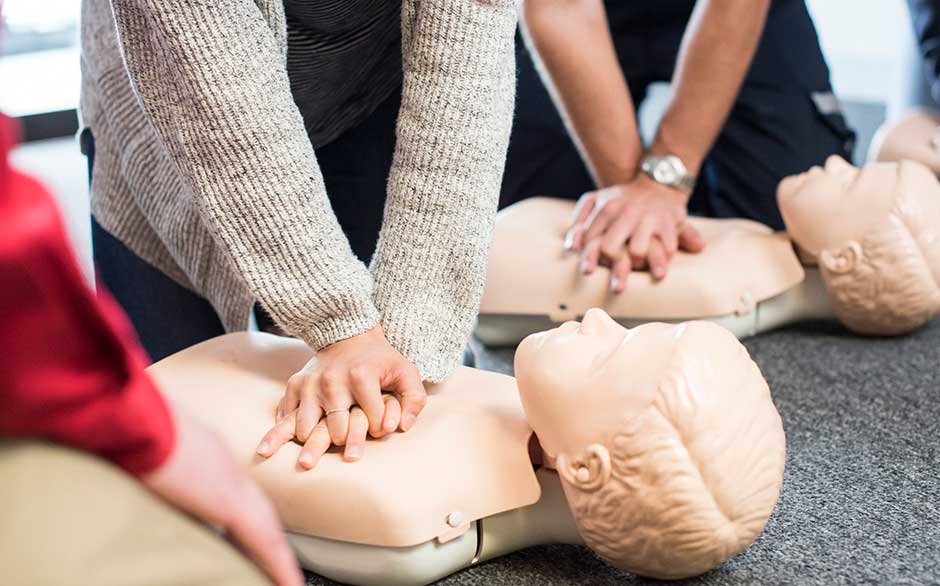
Understanding the techniques of CPR can significantly impact survival rates in cardiac emergencies. Immediate intervention is crucial, as the efficacy of CPR decreases dramatically with time. Being trained not only equips individuals with the skills to perform this life-saving procedure but also instills the confidence needed to act under pressure. Certifications from recognized organizations ensure that the training is comprehensive, covering key areas such as chest compressions, rescue breaths, and the use of an Automated External Defibrillator (AED). Enrolling in a course for cpr certification allows participants to learn these techniques in a structured environment, enhancing their readiness for real-life situations.
Building Community Resilience
When more individuals within a community are trained in CPR, the overall safety and resilience of that community increase significantly. This collective knowledge creates a network of first responders who can act swiftly and effectively in emergencies, potentially bridging the critical gap until professional help arrives. Beyond personal empowerment, being CPR certified fosters a sense of communal responsibility, encouraging others to take action and prepare themselves. As the awareness of health emergencies grows, the impact of CPR training is undeniable—it’s a skill that not only saves lives but also strengthens community ties, promoting a culture of care and preparedness.
In conclusion, obtaining CPR certification is not merely an individual achievement; it is a vital contribution to community health and safety. By equipping yourself with the skills and confidence to respond in emergencies, you become an integral part of a larger network dedicated to saving lives. The knowledge gained through CPR training empowers you to act decisively when every second counts, potentially transforming a moment of crisis into one of hope. Furthermore, as more individuals step forward to get certified, the collective resilience of communities grows, fostering a supportive environment where awareness and preparedness lead to a healthier and safer society. Ultimately, investing in CPR certification is an investment in the well-being of yourself and those around you, reinforcing the idea that anyone can be a hero in critical times.
